Muscle Recovery Beccles: How Long Does It Take?
Whether you’ve just smashed a strength session, returned to exercise after a break, or are simply wanting to maximise your rest-and-repair cycle, understanding muscle recovery is key. Recovery isn’t just waiting until you feel “OK” again. It’s the vital period when your muscles rebuild, adapt and grow stronger.
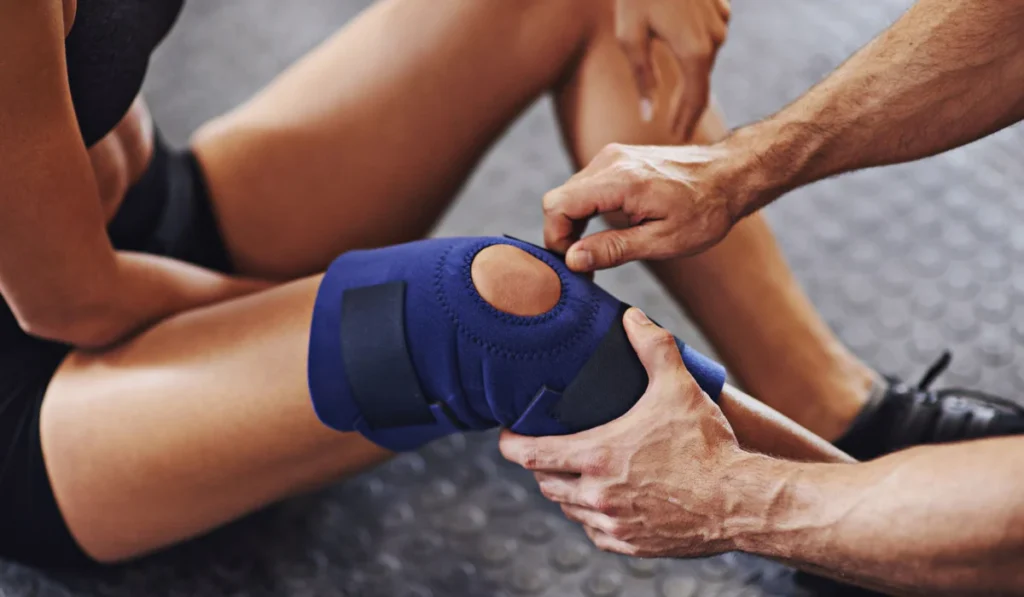
What happens inside your muscles after a workout
Every time you train — especially with strength or intense resistance — you’re creating micro-damage in your muscle fibres: tiny tears, metabolic by-products, inflammation. This damage is normal and serves as the trigger for adaptation: during recovery, your body repairs, rebuilds, and primes the muscle to perform better next time.
Things that happen:
- Inflammation and cellular clean-up soon after the session.
- Protein synthesis and repair of the muscle fibres.
- Neuromuscular recovery — your nervous system also needs rest.
- Replenishing energy stores (glycogen) and clearing by-products (lactate, etc).
- All of this takes time and varies from person to person.
Typical time-frames: How long does it take to recover?
There’s no one-size-fits-all answer — but some rough guidelines:
- After a light-to-moderate workout, you might recover in about 24 hours.
- After a hard strength or resistance session, recovery may take 48-72 hours (2-3 days) or longer.
- If the workout is extremely intense (max-effort, very high volume, new movement patterns), the recovery could stretch longer — several days to even a week, depending on you and your training.
- Other factors that extend recovery time include age, sleep quality, nutrition, stress, the number of muscle groups you trained, your training status (beginner vs. advanced), and your overall lifestyle.
How Body Sculpting Helps Rebuild and Support Muscle Recovery Beccles
Body sculpting treatments can complement your fitness journey by enhancing circulation, stimulating muscle activity, and promoting natural tissue repair. By improving blood flow and oxygen delivery to targeted areas, these treatments help reduce post-workout soreness, improve tone, and accelerate the body’s natural recovery process — allowing your muscles to rebuild stronger and more efficiently. This treatment is FDA-approved.
What helps speed up and optimise muscle recovery Beccles
To make your recovery as efficient as possible:
- Sleep well: Deep sleep is when much of the repair happens.
- Nutrition & hydration: Enough protein (to rebuild muscle), carbs (to restore glycogen), plenty of water (to flush waste products).
- Active recovery: Light movement (walking, gentle cycling, mobility work) helps circulation and reduces soreness, rather than total inactivity.
- Avoid too much, too soon: Let your muscles and nervous system return to baseline before jumping into another high-intensity session. Overlapping heavy sessions can slow gains or increase injury risk.
- Manage stress & other loads: Life stress, poor sleep, poor nutrition all add up — they increase recovery time.
Why muscle recovery Beccles matters
Skipping or shortening muscle recovery, Beccles can mean:
- Less muscle growth or adaptation (you won’t get as strong).
- Higher risk of injury, overtraining, and burnout.
- Plateauing in your performance or even regression.
- More soreness, more fatigue, longer downtime.
Signs you’re recovered and ready for more
You’re probably prepared to train the same muscle group again when:
- You have no or very little soreness (or it’s returning to baseline).
- Your performance is back up (you feel strong again).
- Your energy levels, sleep, and mood are good.
- You feel overall well and have had good rest & nutrition.
If you still feel heavy, sore, weak or unmotivated, give yourself more rest or do a lighter session until you’re back up to speed.
Frequently Asked Questions (FAQs) About Muscle Recovery Beccles
Q1: When is the right time to hit the same muscles again?
What is a good resting time between hard muscle sessions? Many people find that a gap of 48–72 hours (2–3 days) is sufficient to recover the same muscle group before hitting another severe session/workout. But if the previous session was absolutely brutal (or you are older, new to training or already fatigued), you will likely need a little longer.
Q2: I’m still sore 4 days after my leg workout — is that normal?
Yes. If the workout was very demanding or involved new movements, longer soreness is OK. But if soreness persists much beyond 5-7 days, or you feel pain rather than just muscle “tiredness”, you might reduce intensity, allow more rest, or assess for potential injury.
Q3: Does doing light exercise delay recovery?
No — in fact, “active recovery” (light walking, stretching, mobility work) can help by increasing blood flow and allowing the muscles to clear waste products. It’s when you go full intensity too soon that you risk delaying recovery.
Q4: Can I train other muscle groups while one group is still recovering?
Definitely yes. You continue to train other muscle groups while one is still recovering. For instance, if your legs are still recovering, you might train your upper body, do core work, or just do light cardio. You want to be careful not to overwork the recovering muscle group.
Q5: What lifestyle factors make recovery faster or slower?
Faster recovery: good sleep, proper nutrition (enough protein & carbs), hydration, moderate training volume, and stress. Slower recovery: lack of sleep, poor diet, high life stress, training too intensely too soon, being new to training, older age or illness.
Q6: If I feel fine, can I train the same muscle group tomorrow?
Feeling fine is a good sign, but it’s not a guarantee you’re fully recovered. Your nervous system or microscopic muscle damage may still be resolving. If you’re doing a hefty session, it’s best to wait the full 48-72 hours. If you’re doing lighter volume, you might be OK sooner — but proceed cautiously.
Q7: Does muscle recovery stop when soreness goes away?
No. No visible soreness, but deep adaptations, neuromuscular recovery, tendon/ligament stress, and energy stores remain replete. Similar to ‘ready to train again’ versus refreshed but very performance-ready.
Q8: Age can play a part in the way recovery time goes.
As we age, recovery usually takes longer because muscle fibres repair more slowly, hormones act more slowly, sleep is poorer, and life stress is higher. Thus, the novelty of age-aware programming (a wee bit more recovery, a wee bit less volume).
Q9: What if I continue to skip rest and overtrain?
The consequences of overtraining can include persistent fatigue, performance stagnation or decline, elevated resting heart rate, mood swings, insomnia, more frequent injuries, and longer recovery times. Best to get ahead of it with proper rest.
Q10: How do I know when I’ve recovered enough to go heavier/longer?
Some signs: you can move well without significant pain, you perform your next workout close to your previous effort, and you sleep well and feel rested. If you’re uncertain, you can ease in with slightly lighter weight or fewer reps and see how you respond.
For More Information Call Us On This Number 03300 100 576