How Stress Impacts Your Fitness, Body & Goals
Stress isn’t just a mental burden — it affects your body, hormones, metabolism, and ability to get and stay in shape. Here’s how stress works in your body — and what you can do about it.
The Hormonal Ripple: Cortisol Stress Beccles & Beyond
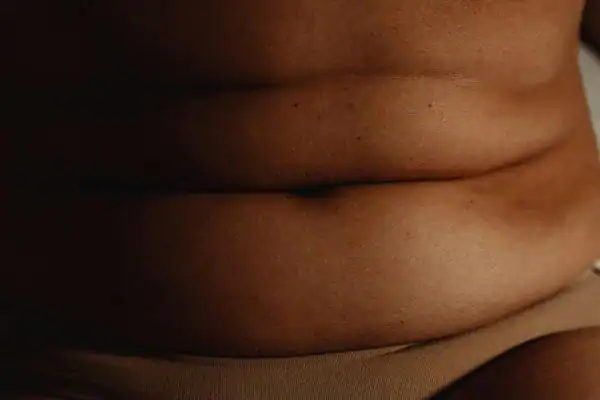
- Chronic stress elevates cortisol. Over time, elevated cortisol can shift your body toward storing fat — particularly around the midsection (sometimes called “stress belly” or “cortisol belly”).
- Muscle breakdown risk. High cortisol may inhibit protein synthesis and promote muscle catabolism (breakdown), working against your strength and toning goals.
- Insulin & appetite effects. Stress can disrupt insulin sensitivity and trigger more cravings or emotional eating, making calorie control harder.
- Inflammation. Stress promotes low-grade inflammation, which can hinder recovery, slow metabolism, or worsen insulin resistance.
In short, under persistent stress, your body often becomes more efficient at storing fat, less efficient at burning it, and less able to preserve or build lean muscle.
Stress Beccles & Your Workouts
- Energy drain. Feeling stressed can sap motivation, reduce workout intensity, or cause skipped sessions.
- Poor recovery. Even if you train, stress impairs sleep, repair, and adaptation — so gains are blunted.
- Overtraining danger. If you push too hard without enough recovery in a stressed state, you risk injury, fatigue, or burnout.
- Hormonal interference. The stress response can interfere with testosterone, growth hormone, and other anabolic signals.
Stress & Body Composition: Fat Where You Don’t Want It
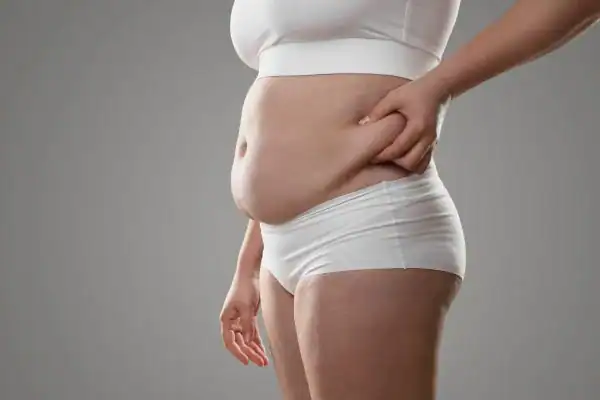
Because of hormonal effects, stress often drives fat storage in “stubborn” zones — lower belly, flanks (love handles), upper back, or under the chin. Stress-triggered eating patterns can also push toward high-sugar or processed foods, further fueling fat gain.
Many people under stress also fall into poor lifestyle patterns — less sleep, less movement, more cortisol-friendly foods — which compound the problem.
Breaking the Cycle: How to Control Stress for Body Goals
- Sleep & recovery are vital — aim for 7–9 hours of high-quality sleep each night.
- Mind-body practices — meditation, deep breathing, yoga, progressive muscle relaxation.
- Physical activity — regular moderate exercise lowers stress hormones (though avoid overtraining).
- Nutrition consistency — balanced meals, avoiding extremes or “comfort eating.”
- Schedule downtime — hobbies, social connection, periods of rest to lower baseline stress.
- Professional support — if stress is chronic or overwhelming, therapy, coaching, or medical intervention may help.
Non-Surgical Treatments to Help Target Stubborn Fat
While stress mitigation, exercise, and nutrition are foundational, many turn to non-surgical aesthetic treatments to help sculpt stubborn zones. These treatments may help refine contours where fat is resistant to volume loss. But they are adjuncts, not substitutes. These include cryolipolysis, Body Sculpting, HIFU and Fat Dissolving Injections. Check with a qualified practitioner about suitability and safety. Always go to a qualified, experienced practitioner.
Important caveats & best practices:
- Always go to a qualified, experienced practitioner.
- Use these as supplements to good nutrition and training: they don’t replace effort.
- Expect gradual results — many improvements unfold over weeks to months.
- Often, maintenance or repeat treatments are needed.
- Combine treatments wisely (e.g. RF + fat freezing) but avoid overlapping too aggressively.
- Be realistic — these treatments work best on pinchable fat, not deep visceral fat.
FAQs (Frequently Asked Questions) About Stress Beccles On The Body
Q1: Can stress itself make fat removal treatments less effective?
Yes — persistent high cortisol may undermine recovery, healing, and metabolism, which can blunt visible results. Managing stress before, during, and after treatment may support better outcomes.
Q2. Exercise after a non-surgical fat reduction?
It depends on the treatment. Some depend on the treatment. Some clinics may permit light activity within 24–48 hours of non-invasive treatments (RF, cryo). You may need 2–7 days of rest after stronger treatments or injections. Always follow your provider’s instructions.
Q3. Does it help with visceral fat (deep belly fat)?
No — these technologies target subcutaneous fat (fat under the skin). They do not reach or remove visceral fat around internal organs. That requires diet, exercise, and metabolic support.
Q4: Are results permanent?
They can be long-lasting if you maintain your weight and lifestyle. But if weight is gained, fat can return in treated or untreated areas. Maintenance is key.“Stress belly” or stubborn lower-abdominal fat?
It depends on your skin quality, fat thickness, budget, and tolerance. Many use a combination, e.g., cryolipolysis + RF for tightening, or fat-dissolving injections for small, localised pockets. A professional consultation helps decide which option is most suitable. will it take before I see visible changes?
Generally, 1–3 sessions per area — spaced at least a few weeks apart — may result in noticeable improvement. It depends on the type of fat, the area size, and your response. Treatments?
Generally, non-surgical body-sculpting is considered aesthetic and elective. Check with your provider about payment options. Number is 03300 100 576